Look for physical evidence rather than relying on smell alone: a discoloured patch that was not there before, a musty odor that persists after cleaning, or visible growth following a leak, flood, or ongoing damp problem. A smell with nothing visible is one of the most common ways this starts, and on its own it settles nothing.
What to look for at each place worth checking
Most findings turn up in a short list of places, because those are where moisture collects or condenses - and what counts as a sign looks slightly different at each one.
Bathrooms, basements and attics
3- Bathroom ceilingsa soft, discoloured patch above the shower or tub, often paired with peeling paint
- Basement wallsa chalky white bloom or a darker patch near the floor line, sometimes with a visible waterline stain
- Atticsdark spotting on the underside of the roof deck near an eave, or around a vent stack
These three spaces get checked least often, so a small finding here has usually been there a while.
Windows, sinks and HVAC
3- Window sillsblack speckling in the corner of the frame, worse in cold weather
- Under sinkssoftened or discoloured cabinet flooring, sometimes before any smell is noticeable
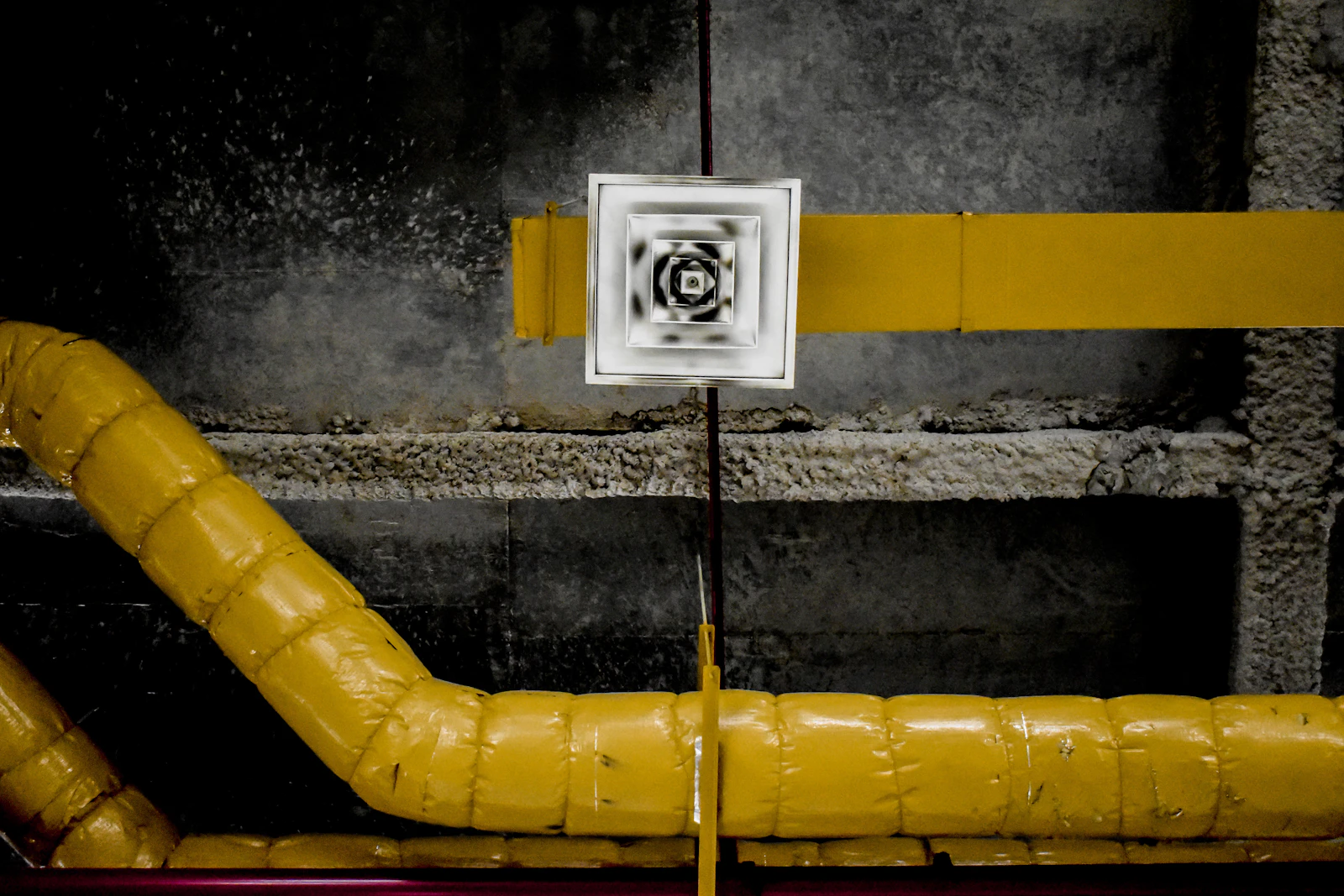
- HVAC ventsa musty smell when the system runs, or visible spotting on the vent cover itself
A musty smell that only shows up when the system runs is worth checking at the vent itself, not just nearby.

What a smell alone does and does not tell you
A musty smell is a legitimate reason to look further, but it is not, by itself, confirmation. Some sources of a musty smell resolve with better ventilation and cleaning; others point to growth in a space you cannot easily see, like inside a wall cavity or under flooring. If the smell persists after normal cleaning and ventilation, that is a reasonable point to bring in a professional inspection rather than keep guessing.